
Investing in commodities for diversification is a strategic move that can enhance your portfolio’s resilience. By understanding commodity markets and the benefits they offer, even novice investors can start diversifying effectively. Let’s explore this investment avenue, from its types to the best strategies, while also considering potential risks. Remember, a diversified portfolio is better equipped to weather economic uncertainties. Start learning how to invest in commodities for greater financial security.
Understanding Commodity Markets
Commodity markets are essential for the distribution and pricing of basic goods such as energies, metals, and agricultural products. These markets function through spot markets where commodities are traded for immediate delivery and futures markets where contracts for future delivery are bought and sold. Understanding the dynamics of supply and demand in these markets is crucial.
The prices of commodities are influenced by various factors including geopolitical events, natural disasters, and economic policies.
Supply Chain
Disruptions in the supply chain can cause significant price volatility. For example, conflicts in oil-producing regions can lead to a spike in oil prices.
Additionally, the performance of commodity markets is closely linked to seasonal cycles and weather patterns. This is especially true for agricultural products where a poor harvest due to adverse weather can drastically reduce supply and increase prices.
Technological Advancements
Technological innovation in production and extraction processes can also impact commodity prices by creating efficiencies that lower costs.
Investors often look at commodity markets as a way to hedge against inflation. This is because when inflation rises, the value of currency falls, but the value of physical goods like commodities remains more stable. The transparency and liquidity of commodity markets make them attractive for both individual and institutional investors.
Benefits of Commodities in Your Portfolio
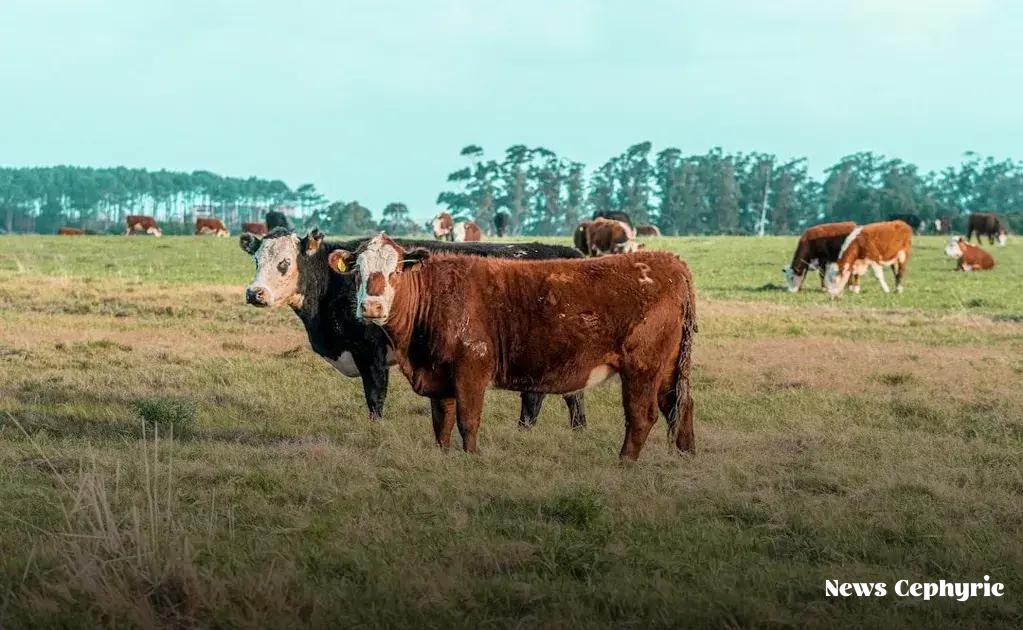
Investing in commodities can offer diversification benefits to your portfolio. Unlike stocks and bonds, commodities often move independently from traditional asset classes. This means they can help reduce the overall risk in your investment portfolio by providing a hedge against inflation and economic downturns.
Moreover, commodities such as gold have intrinsic value and are often seen as a safe haven during times of market volatility. By including commodities in your portfolio, you can achieve a more balanced allocation that can protect your investments from unexpected market swings.
Additionally, commodities can be a source of income. For example, owning agricultural commodities can provide returns during times of rising food prices. Energy commodities like oil and natural gas can also offer significant profit potential, especially when demand rises due to geopolitical tensions or natural disasters.
Lastly, investing in commodities allows you to gain exposure to global markets. This can open up opportunities for growth in emerging economies where commodity production may be a significant part of the economy.
Types of Commodities to Invest In
Hard Commodities
These are natural resources that are extracted or mined. Examples include gold, silver, oil, and natural gas. Investing in hard commodities can act as a hedge against inflation and diversify your investment portfolio.
Soft Commodities
Unlike hard commodities, soft commodities are agricultural products. Examples include wheat, coffee, sugar, and corn. Soft commodities tend to be more volatile due to seasonal changes and demand fluctuations.
Energy Commodities
Energy commodities are a subset of hard commodities and include resources used for power generation. Examples include crude oil, natural gas, and coal. Energy commodities play a vital role in the global economy, and their prices are influenced by geopolitical events and supply-demand dynamics.
Metals
Investing in metals such as gold, silver, platinum, and copper can provide stability and a hedge against market volatility. Metals are often seen as safe-haven investments due to their intrinsic value and widespread industrial uses.
Agricultural Commodities
Products like soybeans, livestock, and cotton fall under this category. Agricultural commodities can be a good investment for those looking to benefit from the global demand for food and materials.
Strategies for Investing in Commodities

When it comes to investing in commodities, having a clear strategy is essential. A good starting point is to decide whether you want to invest directly in physical commodities or through financial instruments like futures contracts, ETFs, or mutual funds.
Direct investment in physical commodities like gold or silver provides tangible assets, but you’ll need to consider storage and insurance costs. On the other hand, financial instruments can offer diversification and liquidity, but come with their own set of risks.
Technical Analysis
Many investors employ technical analysis to identify trends in commodity prices. This approach involves studying historical price charts and using various indicators to predict future price movements. Commonly used tools include moving averages, relative strength index (RSI), and MACD.
Fundamental Analysis
Fundamental analysis involves evaluating the underlying factors that influence commodity prices, such as supply and demand, geopolitical events, and economic indicators. Keeping an eye on production reports, inventory levels, and consumption trends can provide valuable insights into price movements.
Diversifying your commodity investments across different types and sectors can also help minimize risk. Consider a mix of precious metals, energy commodities like oil and gas, and agricultural products such as wheat or corn.
Finally, it’s crucial to stay informed. Regularly reviewing market news, subscribing to commodity research reports, and consulting with financial advisors can help you make informed decisions and adjust your strategies as needed.
Risks and Challenges of Commodity Investments
Investing in commodities comes with its share of risks and challenges. One primary risk is price volatility. Commodity prices can be highly unpredictable and influenced by various factors, including weather conditions, geopolitical events, and changes in supply and demand. This inherent volatility can lead to significant losses if the market moves against your position.
Another challenge is the potential for liquidity issues. Unlike stocks and bonds, some commodities might not have a ready market, making it difficult to buy or sell quickly without affecting the price. This can be particularly problematic during times of market stress.
Leverage is another aspect to consider. Many commodity investments involve the use of leverage, which can amplify both gains and losses. While leveraging can lead to significant profits, it also increases the risk of substantial losses, especially if the market performs unexpectedly.
Investors also need to be aware of counterparty risk, particularly in derivative markets. This is the risk that the other party in a derivative contract may default on their obligations, potentially leading to a loss.
Regulatory risks should not be overlooked. Commodity markets are subject to regulations that can change, impacting the prices and availability of certain commodities. Keeping up with regulatory changes is crucial for managing investment risks effectively.
Lastly, sometimes there’s a need for specialized knowledge. Understanding the factors that influence commodity prices requires a level of expertise that goes beyond general market knowledge. This might necessitate additional research and education, which can be time-consuming and complex.

 Tips for Managing Finances During Economic Uncertainty: Essential Advice
  How to Create a Financial Plan for Major Life Events Efficiently
  How to Create a Financial Action Plan for Career Transitions Effectively